
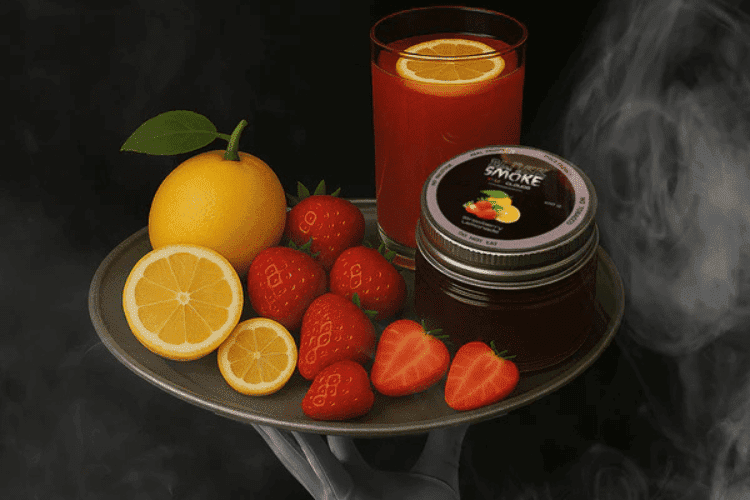
Vape juice, e-liquid, vape liquid, e-juice; whatever you call it, this aerosol is what creates that satisfying cloud of vapor. When you're puffing away, have you ever stopped to think about what exactly vape juice is made of? To most, it's a mystery.
Well, buckle up if you're ready to learn what vape juice is made of. You'll see it's not just smoke and mirrors; it's a carefully crafted liquid with ingredients that work together to create the flavors and vapor you enjoy. Let's begin!
Key Takeaways:
- Vape juice is made of propylene glycol (PG), vegetable glycerine (VG), flavorings, and sometimes nicotine, herbal blends, or, in the case of Blakk Smoke, real fruit juice.
- Nicotine, though optional, is considered the main ingredient in vape juice.
- Vape juice may also contain other compounds and metals in trace amounts.
- Quality control is important in ensuring that vape juice doesn't contain harmful chemicals or toxins.
What Are the Ingredients in Vape Juice?
Vape juice ingredients vary slightly depending on the brand and product. However, most e-liquids include the following components:
- Nicotine or herbal/fruit blends
- Propylene glycol (PG)
- Vegetable glycerin (VG)
- Flavorings
Now let’s get into the details of each of these ingredients.
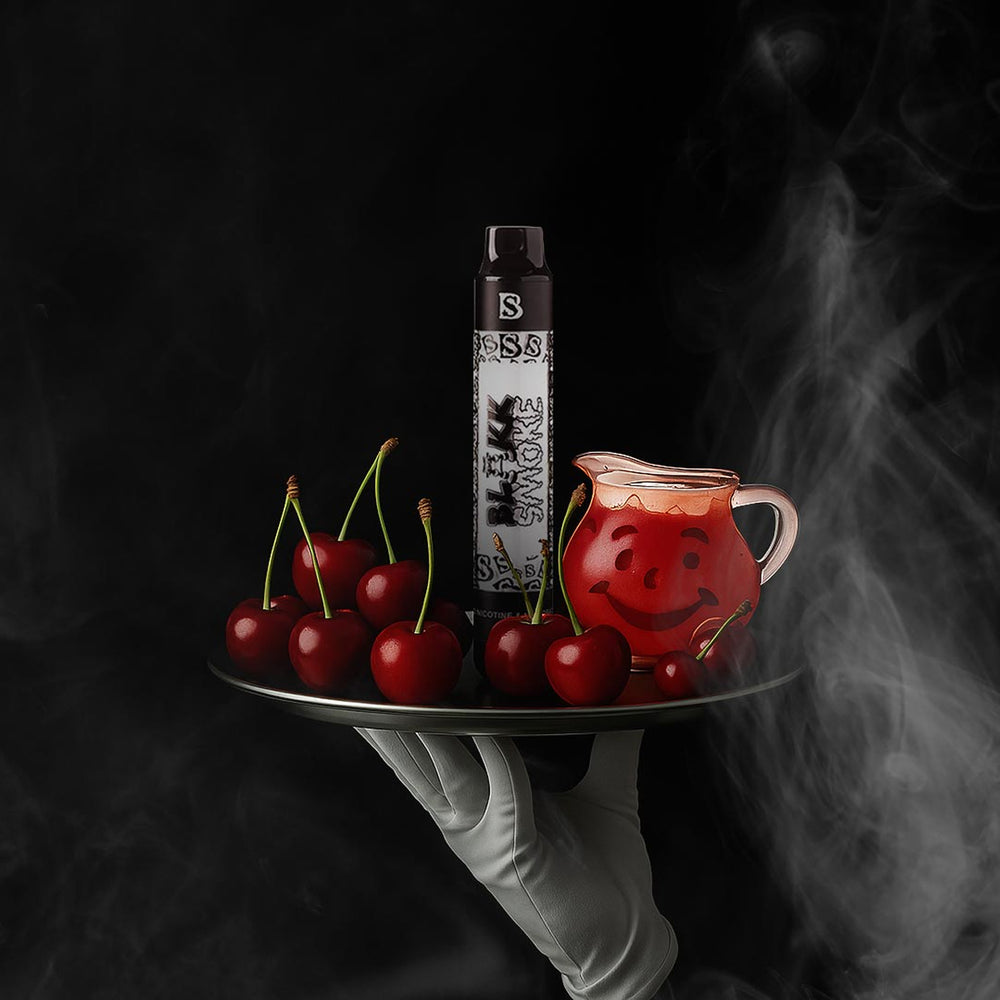
1. Nicotine (Optional)
Nicotine is a chemical found naturally in tobacco plants. It's responsible for the addictive quality of tobacco and is, therefore, the key element that keeps smokers returning.
In vape juice, creators add it in a liquid form, often called a nicotine base. Once you inhale it, your body absorbs it via the lungs, producing a quick effect in your brain and central nervous system.
In most e-liquids, nicotine is the main ingredient. It's the same substance in traditional tobacco cigarettes that gives that familiar, satisfying hit. Note that frequent and high nicotine intake can result in addiction.
Types of Nicotine in Vape Juice
There are two major types of nicotine common in e-liquid, each offering a different vaping experience:
- Freebase Nicotine: This is the regular nicotine used widely in high-powered vaping devices like sub-ohm vapes. It delivers a stronger throat hit because of the higher pH level. Plenty of ex-smokers love this type of nicotine as it results in an intense experience, closer to the taste and feel of smoking a real cigarette. It also offers the ability to customize your nicotine strength more easily.
- Nicotine Salts: Manufacturers design nic salts by combining freebase nicotine with a weak organic acid, like benzoic, levulinic, or lactic acid. This creates a nicotine salt acid that's more stable and less harsh than the alkaline freebase nicotine, even at higher strengths. That makes it ideal for pod-based systems and smaller devices, such as disposable vapes. Note that the body absorbs nicotine salts more efficiently into the bloodstream, providing users a quicker, more satisfying hit without the throat irritation associated with traditional tobacco.
- Synthetic Nicotine: Creators manufacture this nic type entirely in labs. They make it through chemical synthesis without using tobacco leaves. They also label it as tobacco-free nicotine (TFN). Some vapes do contain synthetic nicotine.
What is the Use of Nicotine in Vape Juice?
Nicotine in e-juice serves a number of important purposes:
- Delivering a Satisfying Sensation: It interacts with nicotine molecules in the brain, providing the familiar calming and stimulating sensations generally associated with tobacco cigarettes. Since it helps users to relax, stay focused, and feel satisfied, it continues to be one of the main e-liquid ingredients for people who want to experience the buzz of the nicotine.
- Throat Hit: Nicotine is also responsible for throat hits. This is that distinct feeling of vapor hitting the back of your throat when you inhale. This sensation is one of the reasons why many smokers prefer to continue vaping with nicotine, as it mimics the satisfying throat hit of tobacco smoke, giving them a familiar and satisfying experience.
These are some of the reasons people use nicotine products, and also why it's difficult to stop using them. The physical and psychological effects of nicotine can be very strong.

Nicotine Alternatives Used in Vape Juice
Some users, especially those trying to quit smoking, prefer to vape without nicotine. Most brands now offer nicotine-free e-liquids that depend on herbal flavors to provide a fulfilling vaping experience. These alternatives swap out the nic for herbal options like chamomile and peppermint for a cooling sensation, and more.
At Blakk Smoke, we take this idea to the next level by incorporating fruit juice into our hookah vape pens. Our innovative, patented vape pen made with 100% real-fruit juice contains absolutely no nicotine or tobacco. Featured by Forbes as one of the healthiest alternatives on the market, our pens deliver a flavorful, satisfying experience without the addictive chemicals in most nicotine-based vapes.
Try Blakk Smoke's nicotine-free hookah pens today.
Now, let's look at another base ingredient in e-liquids.

[Photo by Kittisak Kaewchalun from Canva.]
2. Propylene Glycol (PG)
Propylene Glycol is a man-made liquid widely utilized in food, pharmaceutical, and cosmetic products. It's one of the primary vape juice ingredients. It's colorless, odorless, and the reason vape clouds feel smooth and easy to inhale.
Sometimes people confuse PG with its chemical cousin, ethylene glycol. The difference between the two is their toxicity. Unlike PG, ethylene glycol has a high toxicity level because it metabolizes into harmful acids.
PG, on the other hand, has very low toxicity and is recognized and approved by the Food and Drug Administration (FDA). As part of your e-juice, it creates a throat hit and carries e-liquid flavors. It's also thinner than vegetable glycerine (VG), which makes the production of vapor possible.
What is the Use of Propylene Glycol in Vape Juice?
Propylene glycol performs several functions in vape juice, making it an important ingredient. It's responsible for:
-
Throat Hit: Just like nicotine, PG also delivers the strong throat hit that many people look for when they vape. This sensation is much like the feeling you get when smoking a traditional cigarette. With higher nicotine strengths, this throat hit is often much more pronounced, and PG magnifies that experience.
- Flavor Carrier: PG is also a very effective flavor carrier. Since it has a higher affinity for absorbing flavors, it ensures that the taste of your e-juice is sharp and vibrant. Note that some flavorings are less prominent with other carriers, giving you a weaker or less satisfying taste. This is why creators in the vaping industry prefer to use PG, as it efficiently carries and delivers the flavorings.
Note: PG can cause throat dryness or mild irritation for some users, leading to coughing or a sore throat, especially with higher concentrations. However, most vapers experience minimal discomfort. If you discover you’re sensitive to PG, go for e-liquids with a higher VG content for a smoother, less harsh throat hit.
Let’s quickly see what VG is all about below.

[Photo by Any_tka from Canva.]
3. Vegetable Glycerin (VG)
The next big player in vape juice is vegetable glycerin (VG). VG is a thick, sweet liquid derived from plant oils (usually coconut or palm). Don't confuse it with vegetable oil.
Vegetable glycerin is what creates those huge plumes of vapor you see people blowing out. It contributes to the density of the vapor and gives e-juice its body. Your lungs absorb VG slowly because it’s so thick. Without VG, vaping would be much less fun. There would be no thick clouds of smoke and not much flavor.
What is the Use of VG in Vape Juice?
VG is a primary ingredient that contributes to both the texture and overall vaping experience. It's thicker and has a slightly sweeter flavor than propylene glycol. It's responsible for:
- Vapor Production: One of the major reasons creators use VG in e-liquids is the huge vapor clouds. VG is thicker than PG, meaning it produces denser and larger puffs upon heating and vaporization. This is perhaps the reason why cloud chasers and sub-ohm device users looking to blow bigger, more impressive clouds prefer VG-heavy e-liquids. The more VG in the mix, the bigger the cloud.
-
Smoothness: VG retains moisture. As such, it prevents dryness and ensures a smoother throat hit. Because it's much thicker, it produces a velvety vapor that's easier on the throat. VG-heavy e-liquids give a more relaxed, enjoyable experience without the harshness sometimes associated with higher nicotine or PG concentrations.
Note: VG’s naturally sweet profile can be a bit much for some. The sweetness may feel like it lingers, and for those who don't have a sweet tooth, it might seem overwhelming. It's particularly noticeable in e-liquids with high VG content, as the sweetness becomes more pronounced the thicker the VG concentration.
4. Flavorings
Of course, vape juice wouldn't be too exciting without flavors. These are usually food-grade concentrates that are safe to consume. There are different kinds of flavoring agents for vape liquids.
Types of Flavoring Agents in Vape Juice
Flavorings come in many different forms. They interact with your taste buds to create an exciting sensory experience. They include:
Food-Grade Flavor Concentrates
Most vape juices use food-grade flavor concentrates to achieve a broad range of flavors. Vape creators specifically develop these concentrates to imitate the flavors commonly found in everyday food products, such as fruits, decadent desserts, soft drink mixes, and candies. Take, for instance, Blakk Smoke's cotton candy vape pen.
Vape creators mix the flavoring concentrates together with the PG and VG base for the perfect taste. They combine them so that the taste is smooth and consistent throughout the vape, making every puff a delight.
Natural vs. Artificial Flavors
Other creators use either natural or artificial flavoring agents, depending on the desired outcome.
-
Natural Flavors: Manufacturers directly isolate them from some natural sources, such as fruits, herbs, or spices, through distillation or extraction. For example, a natural strawberry vape flavor would use actual strawberry extract or oils for a fresher and more organic taste.
-
Major Drawback: Natural flavorings are weak in intensity and may be more difficult to keep consistent between batches.
-
Major Drawback: Natural flavorings are weak in intensity and may be more difficult to keep consistent between batches.
- Artificial Flavors: These types of agents are synthesized in labs and can have more unique and intense flavors. Many mass-market vape juices use artificial flavoring agents because the flavors are more stable and consistent. Artificial flavors are also more customizable. Manufacturers can create bold, exotic, or completely novel vape flavor profiles that may not be naturally available. Examples include tropical fruit blends and candy-inspired profiles, which use artificial flavorings for a vibrant, long-lasting taste that really pops.
Note: Food regulation authorities restrict both natural and artificial sweeteners and flavoring agents to ensure safety. They only allow them in vaping products up to certain limits. Some of the flavors, especially those in low-quality juices, may have unsafe chemicals that will eventually affect your lungs. That's what makes Blakk Smoke's hookah pens so appealing. We focus on real-fruit-infused juices, reducing the risk of inhaling toxic chemicals.

Other Vape Juice Ingredients
E-liquid may contain other compounds and metals that might impact your vaping experience. These compounds include:
Byproducts of Heating:
- Aldehydes: According to Eaton et al. in Public Health Consequences of E-cigarettes, PG and VG degrade at high temperatures, releasing carcinogenic byproducts such as formaldehyde, acetaldehyde, and acrolein. These carcinogenic chemicals can present long-term health risks upon inhalation.
Flavor Chemicals:
- Diacetyl: Historically, manufacturers used this chemical to give a buttery or creamy flavor to vapes. However, researchers, including the American Lung Association, have linked inhalation of diacetyl to a serious lung disease called Popcorn Lung (bronchiolitis obliterans).
- Acetyl Propionyl: This is a common substitute for Diacetyl. However, the report by Eaton et al.
Additives:
- Water: Some e-liquids contain trace quantities of water to thin the solution and make it more consistent.
- Vitamin E Acetate: This is a thickening ingredient commonly added to THC vapes and other e-cigarettes. The Centers for Disease Control and Prevention (CDC) prohibits the addition of vitamin E acetate into vape juice because it causes e-cigarette or vaping-associated lung injury (EVALI), which can be fatal. Despite the CDC's recommendation, some illicit or black-market vape products still contain vitamin E acetate.
- Tobacco-Specific Nitrosamines (TSNAs): Poorly filtered compounds of freebase nicotine or nicotine salts may contain TSNAs. According to Eaton et al., these are highly potent carcinogenic impurities present in nicotine-based vape juice. They're specifically found in tobacco and form during the curing and fermentation process.
Trace Metals from Vaping Hardware:
- Nickel and Chromium: These metals are commonly found in the alloys used in the coil, such as Nichrome and Kanthal. Eaton et al. explain that small quantities of these metals may be leached into the aerosol when the e-liquid is heated.
- Iron and Aluminum: Your e-juice may also contain very small traces of these metals, often originating from the inside part of the vape device.
- Lead and Tin: These two are also present in trace amounts, usually leached from solder joints or internal connections. Note that lead is a potent neurotoxin that, if you inhale over an extended period of time, can be very harmful.
While most metals are present in trace amounts, prolonged inhalation may increase the potential risks, especially if you’re using lower-end devices or poor coil maintenance. The metals may also act as respiratory irritants.
Since we’re now familiar with vape juice ingredients, let’s see how they come together.
How Vape Juice is Made: A Quick Overview
The process of creating vape juice is both scientific and meticulous to ensure every drop delivers a consistent, high-quality experience. Here’s a quick breakdown of how commercial e-juice is made:
- Ingredient Sourcing: Manufacturers source ingredients such as nicotine or herbal and fruit blends (depending on the product, of course), propylene glycol (PG), vegetable glycerin (VG), and food-grade flavor concentrates.
- Recipe Creation: A chemist or mixologist creates a recipe, finding the right balance between PG, VG, nicotine strength, and flavorings. An example would be a recipe with 70% VG and 30% PG for smoother vapor.
- Precision Measuring: Manufacturers then weigh ingredients with precision equipment to maintain the same consistency between batches.
- Mixing: Huge mixers mix the ingredients together for a homogenous blend. This ensures each bottle tastes exactly the same.
- Steeping: Creators allow the mixture to steep for days or weeks, giving the flavors time to mature and develop, which yields a richer taste.
- Quality Control: Testing of the final product takes place at the end for quality assurance, including checking the strength of nicotine and flavor balance.
- Bottling and Packaging: After approval, the liquid is filled into child-resistant bottles and labeled with ingredient details, nicotine strength, and batch numbers.
For DIY vapers, it's essentially the same process, but much smaller in scale, minus the equipment seen in commercial settings.

Frequently Asked Questions
What are the Key Ingredients in Vape Juice?
The most common ingredients in vape juice include propylene glycol (PG), vegetable glycerin (VG), flavorings, and sometimes nicotine (freebase nicotine or nicotine salts), or real fruit juice, like Blakk Smoke's mint hookah vapes.
Does Vape Juice Include Harmful Chemicals?
Certain e-liquids can contain harmful chemicals, including additives like vitamin E acetate, diacetyl, and metals leached from the coil. High-quality products minimize these risks.
Is Vaping as Bad as Cigarette Smoking?
The general belief is that vaping is less harmful than smoking. However, vaping does entail some risks regarding lung health and potential long-term effects. Read more on the effects of vaping and smoking in our detailed response to the question, is nicotine bad for you?
What is the Healthiest Liquid to Vape?
The healthiest liquid to vape is one that's nicotine-free and uses fruit-infused or natural flavorings without any harmful additives or chemicals. In that light, Forbes named Blakk Smoke's fruit-based vapes the healthiest alternatives in the market today. If you're trying to quit smoking or simply looking for a new vibe, try our nicotine-free electric hookahs for a taste of that real-fruit and clean clouds without the toxins.
Can Lungs Heal After 3 Years of Vaping?
After you stop vaping, your lungs begin to heal, but the extent of recovery certainly depends on the level of damage and how long you've been vaping.
How Many Puffs of a Vape Are Equivalent to 1 Cigarette?
The estimated number of puffs equivalent to one cigarette ranges from 10-15 puffs. Here's a detailed comparison of vapes vs cigarettes.
Conclusion
Vape juice ingredients include propylene glycol (PG), vegetable glycerin (VG), flavorings, and sometimes nicotine, herbal blends, or real fruit juice. Some vapes may also contain other chemicals and metals.
Now that you know what e-liquid is made of, you can approach your next vape with a little more knowledge. You could be using a nicotine-based liquid or enjoying the fruit-infused goodness of Blakk Smoke. Either way, you're part of a much larger trend of vapers looking for healthier, more satisfying alternatives to smoking. Keep exploring, and remember, vape juice doesn't have to be a mystery.
References
- American Lung Association (ALA). (2016, July 6). Popcorn lung: A dangerous risk of flavored e-cigarettes. ALA.
- Centers for Disease Control and Prevention (CDC). (2020, February 25). Outbreak of lung injury associated with the use of e-cigarette, or vaping, Products. CDC.
- Eaton, D. L., Kwan, Y., & Stratton, K. (2018). Public health consequences of e-cigarettes. National Academies of Sciences, Engineering, and Medicine, National Academies Press.
Share:
Does Shisha Have Nicotine? Understanding the Dangers of Hookah Smoking
Where Did Hookah Originate? Uncovering Its Ancient Roots and Modern Evolution